


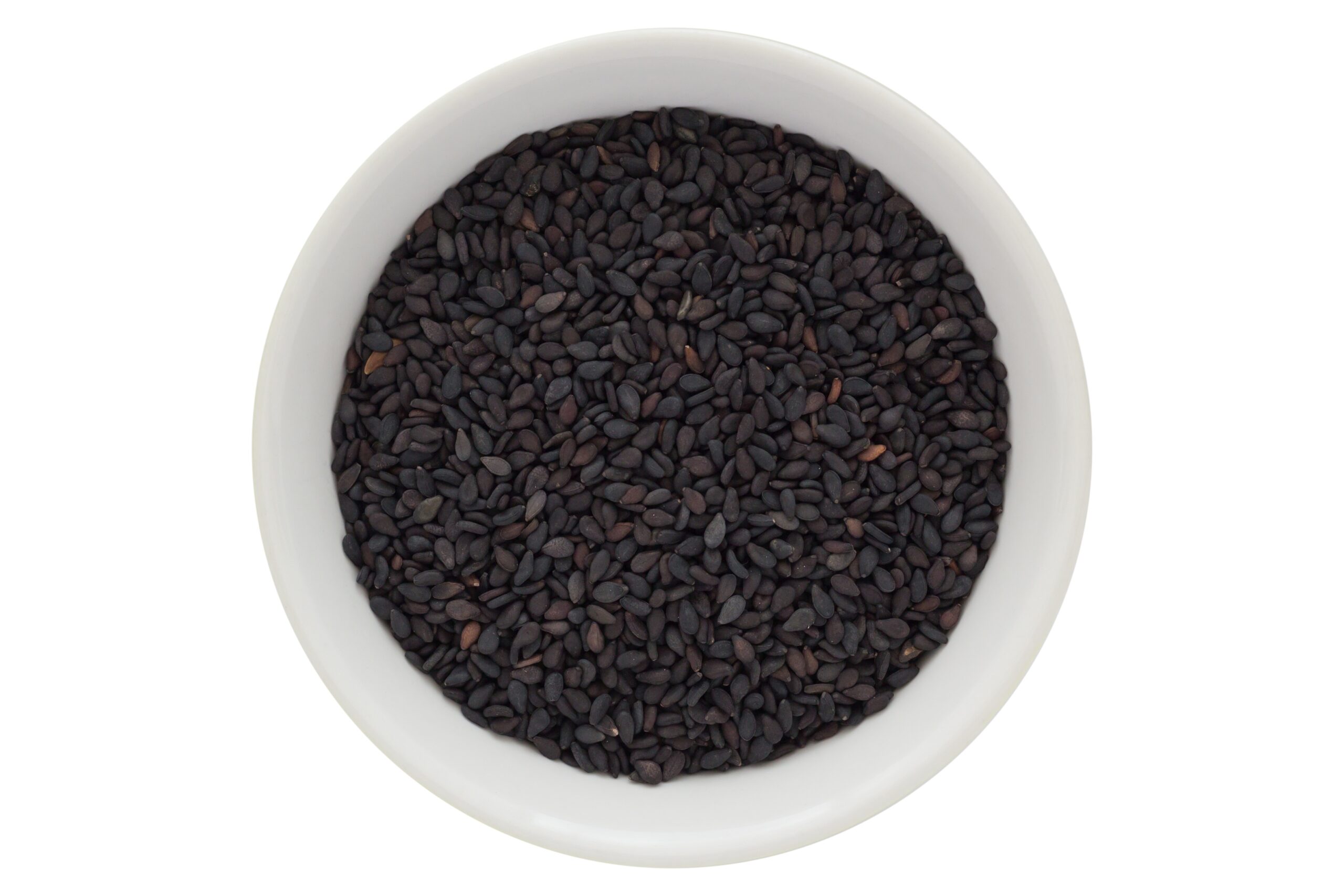
Black seeds are one of the latest new health trends, and are popping up in both health products and culinary recipes so that people can explore both their flavor and health benefits.
Black seeds, sometimes called “black cumin,” come from the plant nigella sativa and are sometimes confused with black sesame seeds. Black seeds are completely different and come from a different plant family than either cumin or sesame seeds.
The nigella sativa seeds are an ancient traditional plant medicine mentioned by the ancient Greeks, and also lauded by the Prophet Muhammad, who described the seeds as a “remedy for every illness except death.”
What are the Health Benefits of Black Seed Oil?
The active compound in black seeds is thymoquinone, which has anti-inflammatory, antioxidant, and antibacterial properties. Thymoquinone reduces inflammation by blocking the effects of several pro-inflammatory cytokines. Research suggests that the active components in black seeds may help manage Type 2 diabetes, reduce blood pressure and cholesterol, aid in weight loss, and alleviate asthma symptoms.
The potent healing power of black seeds is more accessible in black seed oil, which has a higher concentration of thymoquinone that is also more easily absorbed when taken internally versus ingesting the whole seeds. Black seed oil can also offer the benefits of thymoquinone in topical applications, which make it a natural remedy for several skin conditions.
Black Seed Oil and Skin Health
Due to its anti-inflammatory and antibacterial properties, topical application of black seed oil shows promising results for those who suffer from acne. A 2020 study found that using a topical gel made with black seed extract twice daily for 60 days reduced acne severity by 78%. There was also a significant improvement in the number of acne lesions in study participants compared to a control group.
Animal studies have also shown a topical black seed oil preparation improved symptoms of psoriasis in rats. More human research is necessary, but the results are promising.
The active compound thymoquinone can stimulate skin cell growth and seems to increase collagen production in addition to its moisturizing effect. These, combined with its anti-bacterial properties, show it to be a promising treatment for wounds
All of the above attributes of black seed oil also make it a promising natural treatment for eczema symptoms. By addressing inflammation, and offering anti-bacterial and wound healing benefits, it can be a more natural treatment option with less side effects than steroid-based creams.
Relatedly, black seed oil may help address hair loss for some people. A small 2020 study showed it to be effective in increasing hair density and thickness for those with telogen effluvium (TE), the second most common cause of hair loss, caused by a change in the number of hair follicles in the scalp.
Take Care in Using Black Seed Oil
When using black seed oil as a topical treatment for either skin or scalp, it should be diluted in a neutral carrier oil like coconut, or olive oil, rather than applied directly on the skin. It’s best to work with a professional or use a professionally prepared formula when using black seed oil for a health condition. More is not always better, and some of the research linked above used solutions with a very small percentage of black seed oil. The ratio is quite spring, with just 5-10% black seed oil when mixed with the carrier oil. A common blend is roughly 1–2 drops of black seed oil per 1 tablespoon of carrier oil.
While the claims for health benefits are many, there are also strong cautions for those trying black seed oil for the first time, especially for skin conditions. Serious allergic skin reactions may occur, specifically contact dermatitis.
This means that, like with any other product you use on your skin, it’s important to test any product or mixture with black seed oil on a small patch of skin first. Wait at least 24 hours to see if your skin shows any sign of sensitivity or inflammation. If it does, don’t use black seed oil and avoid it as an ingredient moving forward.
If you’re considering taking black seed oil internally, you should know that it can lower blood sugar, lower blood pressure, and can interact with medications, specifically blood thinners, immunosuppressants, and sedatives. Avoid black seed oil if you have liver or kidney issues, are pregnant, breastfeeding, or planning surgery within two weeks.
Conclusion
It’s exciting when ancient medicines, like black seed oil, are rediscovered and explored through modern scientific research. Topical black seed oil preparations may relieve some skin symptoms, and, with more research, may prove to be a strong natural option to topical steroid creams.
Want to Learn More About Skin Health?
Click HERE to get the Amethyst Holistic Skin Solutions Newsletter. You’ll receive interesting information about skin health via articles, before/after pictures, case studies of Amethyst patients, videos, interviews and more. Feel free to share this article with someone who you think may benefit.
About the Author
Olivia Hsu Friedman, LAc, Dipl.OM, DACM, Cert. TCMDerm, is the owner of Amethyst Holistic Skin Solutions and treats Acne, Eczema, Psoriasis, and TSW. Dr. Olivia treats patients via video conferencing using only herbal medicine. Dr. Olivia is the past chair of the board of directors of the American Society of Acupuncturists, serves on the Advisory Board of LearnSkin, and is a faculty member of the Chicago Integrative Eczema Group sponsored by the National Eczema Association.