


Collagen is a fiber-like protein found in our skin, tendons, ligaments, bones, blood vessels, and muscles. It makes up a full 30% of our body’s protein. It’s also a key protein in our hair and nails, keeping them strong and healthy.
With so much to offer, should we be supplementing our nutrition with collagen capsules or powders?
Where does Collagen Come From?
Your body produces its own collagen. Typically, people do not have a “collagen deficiency.” However, collagen production in the body slows down with aging, and can also slow down due to lifestyle factors, such as: menopause, sun exposure, smoking, excessive sugar intake, and chronic stress.
We can also increase our collagen through foods containing the connective tissue of animals, such as bone broth, tougher cuts of meat, chicken and pork skin, chicken and pig’s feet, gelatin, and fish skin and bones.
Collagen Co-Factors
Certain vitamins and minerals help your body produce enzymes that in turn help you produce and stabilize collagen for building new tissue. These include vitamin C, zinc, copper, and manganese. Selenium also helps protect existing collagen from damage.
Collagen Benefits
As mentioned, collagen can strengthen nails, hair and skin. In addition to improving skin elasticity, hydration, and firmness, collagen supplements can also relieve joint stiffness and improve flexibility for those with osteoarthritis. Collagen can also protect cartilage and strengthen bones while preventing bone density loss.
For those building muscle, collagen can support muscle mass when combined with resistance training, and help repair injury and build new muscle tissue between workouts.
Collagen can also help repair and heal damage in the lining of your intestinal tract.
Collagen and Skin Conditions
Collagen can be taken orally, or applied topically in skin preparations and products. Both have been shown to reduce or delay the effect of skin aging. Collagen can also increase skin hydration and improve its barrier function.
There is no research showing collagen to be an effective treatment for eczema, psoriasis, or TSW. However, if you suspect that damage to your intestinal or gut lining (aka “leaky gut”) is causing food sensitivity or allergic reactions that are affecting your skin, talk to a clinical nutritionist on whether collagen might be a supplement you can take along with other measures to help heal your gut lining.
Some forms of collagen supplementation, especially products that also contain fillers, artificial ingredients, or especially biotin, might exacerbate acne. Biotincan cause acne in some individuals due to accelerating the production of keratin. This causes the outermost layer of the skin to thicken and prevents the normal flow of sebum, which can lead to clogged pores and breakouts. As with any new product, go slowly if you are trying an oral supplement or topical application containing collagen.
Collagen Supplements
Before collagen products came on the market, people often used plain gelatin powder as a collagen supplement. It was a popular remedy for dry, flaking or chipped fingernails.
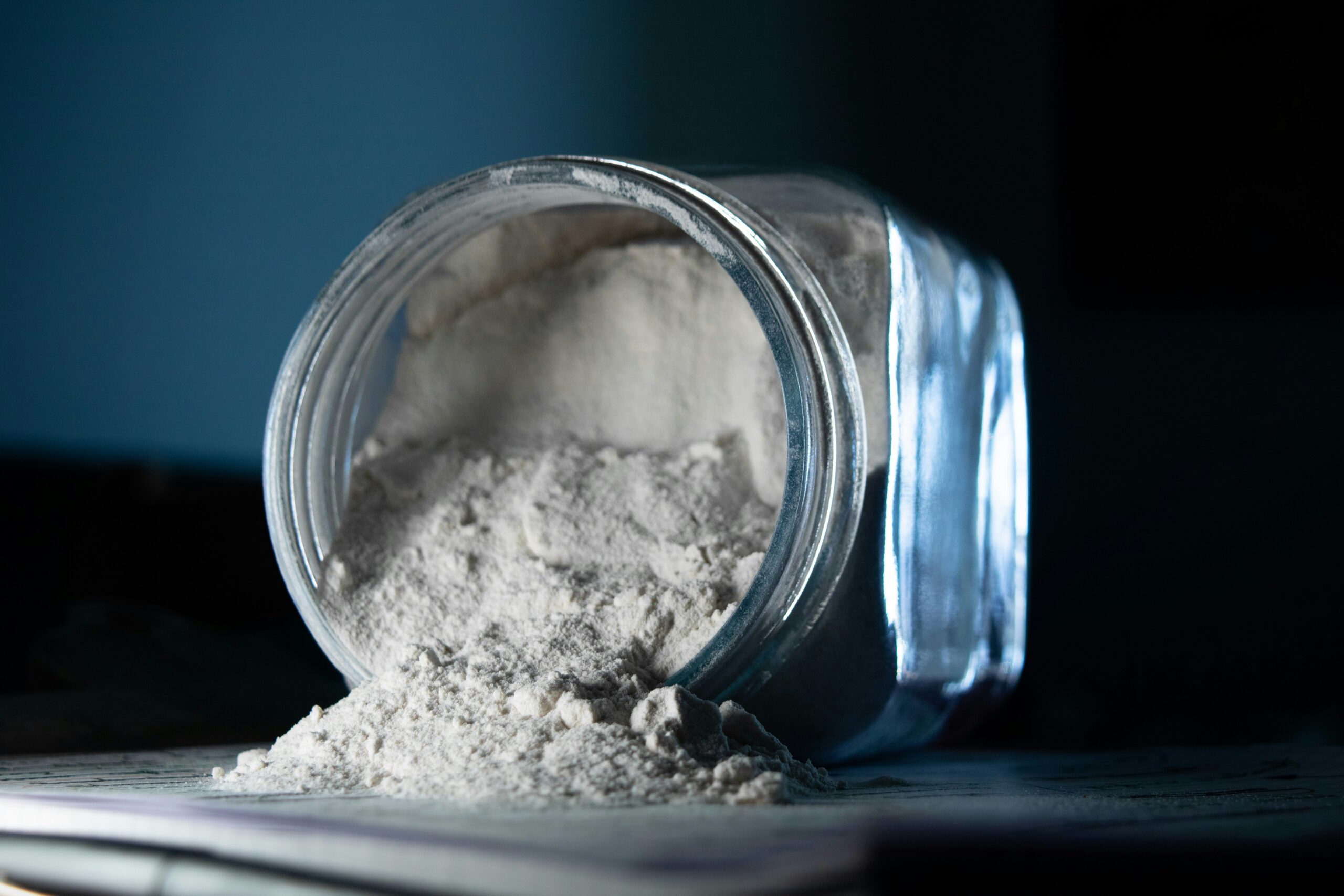
Today’s collagen supplements are animal-derived protein products broken down into smaller peptides that may help support skin hydration, elasticity, and joint comfort. You can buy them in convenient powders that can be added to drinks, coffee, juice or smoothies. They also come in capsule form.
Collagen supplementation is considered safe for most people in doses ranging from 2.5 to 15 grams per day. If you are allergic to certain animal products (i.e. beef, pork, or fish), check the source of the collagen first and choose one from an animal source that is safe for you.
Make a Collagen Supplement at Home
If you would like to try a tasty and effective form of collagen supplementation, the best source is bone broth! You can save bones from roasts, rotisserie chicken, and even fish, and simmer them in a pot of water or a slow cooker with vegetable scraps and herbs. After several hours, the bones will release natural collagen into the broth for a yummy hot beverage and soup stock.
The collagen is what makes broth and soups congeal in the refrigerator. That slightly gelatinous texture lets you know there’s collagen in the broth! You can find plenty of sources for bone broth recipes online, or even purchase quality bone broth from the grocery store.
Conclusion
As you age, your body slows down its own natural collagen production. Supplementing with natural food sources, or brewing a batch of bone broth, can help maintain the health of your skin, joints, gut lining, and more, while keeping your nails and hair healthy, strong, and shiny. While it can’t reverse skin damage or treat serious skin conditions, it can offer your skin help in staying firm and hydrated with improved elasticity —all of which keep your skin more youthful and radiant.
Want to Learn More About Skin Health?
Click HERE to get the Amethyst Holistic Skin Solutions Newsletter. You’ll receive interesting information about skin health via articles, before/after pictures, case studies of Amethyst patients, videos, interviews and more. Feel free to share this article with someone who you think may benefit.
About the Author
Olivia Hsu Friedman, LAc, Dipl.OM, DACM, Cert. TCMDerm, is the owner of Amethyst Holistic Skin Solutions and treats Acne, Eczema, Psoriasis, and TSW. Dr. Olivia treats patients via video conferencing using only herbal medicine. Dr. Olivia is the past chair of the board of directors of the American Society of Acupuncturists, serves on the Advisory Board of LearnSkin, and is a faculty member of the Chicago Integrative Eczema Group sponsored by the National Eczema Association.