


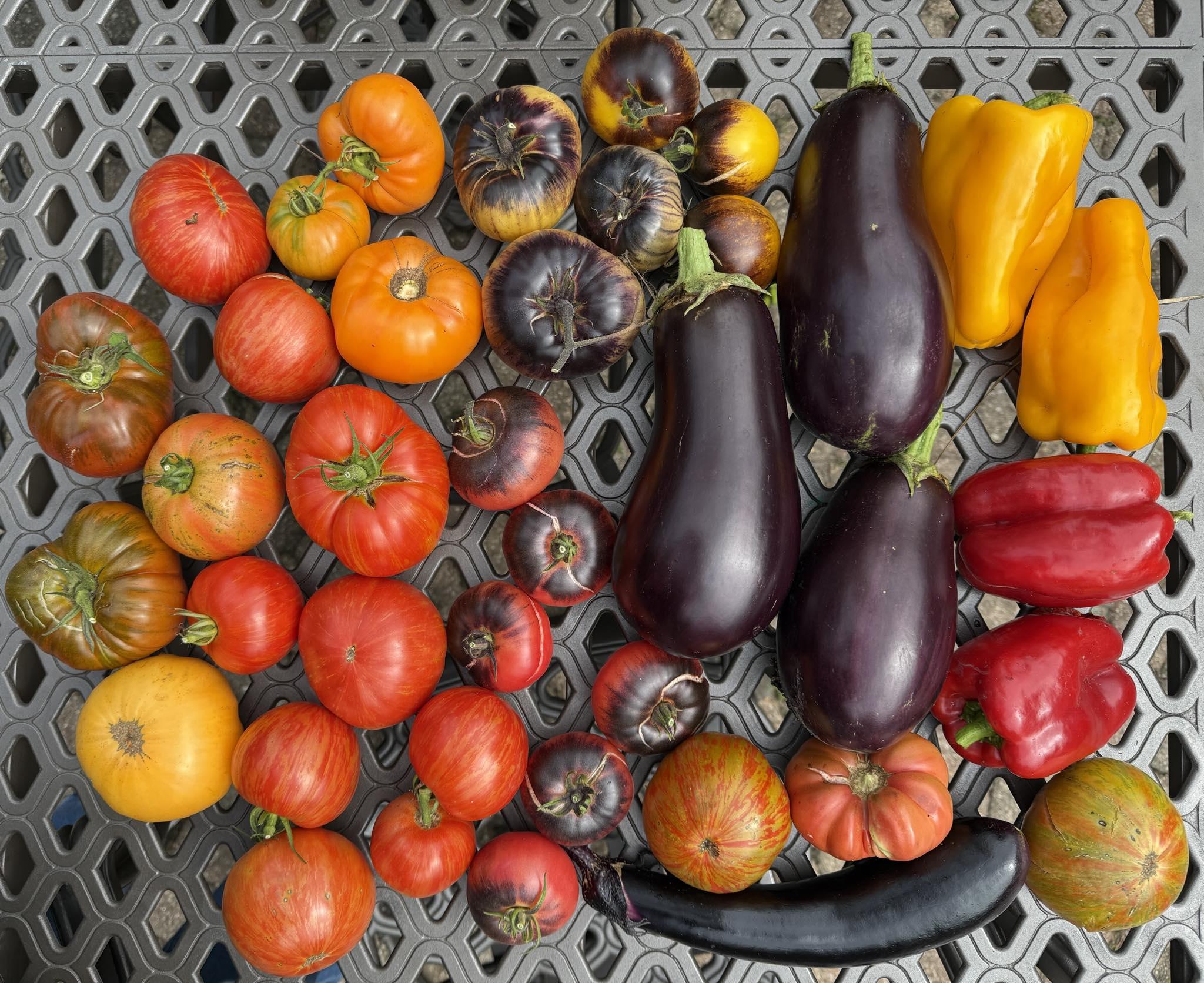
There is a group of vegetables that belong to what’s familiarly known as the “nightshade family.” Actually, they are edible plants from the Solanaceae family, which boasts more than 2000 plants. They get their nickname because this botanical family includes the deadly nightshade, Atropa Belladonna.
Nightshade vegetables include many that you probably love, like tomatoes, peppers (both sweet and hot), eggplants, and potatoes (but not yams or sweet potatoes). Okra and tobacco are also from the nightshade family.
Nutritious Vegetables with a Catch
All of the edible vegetables in the nightshade family are loaded with vitamins, minerals, fiber, and phytochemicals. They are a nutritious and versatile part of a healthy diet. They are also a big part of one of the healthiest diets in the world – the Mediterranean diet.
However, some folks avoid nightshade vegetables, as they’re known to aggravate symptoms of arthritis and other inflammatory diseases for some people. In addition to inflammatory reactions, some people have a sensitivity to them or even an allergic reaction.
How Could a Vegetable Promote Inflammation?
Alkaloids are a chemical found in plants. Nightshade vegetables contain a specific alkaloid called solanine. Solanine functions as a natural insecticide inside the plant, which protects plants while they are growing. It’s the solanine that some people are reacting to when they eat nightshades, as it may be irritating to their system.
Solanine is highly concentrated in the leaves of nightshade plants, which is why you should never eat the leaves of the potato, eggplant, pepper or tomato plant. If you do, you will most likely feel very ill, as solanine can profoundly irritate the digestive tract. Solanine is also found in potatoes when they turn green from light exposure. That’s why you should always store potatoes in a dark, cool, dry place, and avoid buying, cooking or eating potatoes that have started to turn green.
Nonetheless, the part of the nightshade vegetables we do eat, the tuber or the fruit, contain a very small level of solanine. Normally the amount is so little as to be quite harmless. However, some people are very sensitive to this particular alkaloid and find that it triggers an inflammatory response that can irritate their joints, skin, digestive system, and more.
Nightshades and Skin Conditions
The solanine in nightshades may trigger or exacerbate inflammatory skin conditions like eczema and psoriasis for some individuals. They can cause itching, hives, and rashes for those with sensitivities, allergies, or autoimmune conditions. That’s why, when you are sleuthing out what might be triggers for your eczema, psoriasis, or TSW, don’t forget to factor in nightshades.
Watch your symptoms and see if they get worse after eating tomatoes, potatoes, or peppers. If they do, you may want to ease back on, or eliminate nightshades vegetables from your diet. Cooking will reduce some of the alkaloid impact, so if you think you may be sensitive, watch out for raw peppers and tomatoes. If you do notice a sensitivity, do seek out an allergist to check whether it’s just a sensitivity, or a full-blown allergy.
More Research is Needed
At this time there is no research to show that nightshades cause autoimmune disease, but there are studies that indicate a link with increased symptoms in those with Irritable Bowel Disease.
This link with gastro-intestinal irritation worries some health experts that nightshades may contribute to what’s known as intestinal permeability, or “leaky gut.” A leaky gut means that a person’s intestinal permeability is increased in such a way that it is allowing larger or undigested fragments of proteins to enter the system. It’s those fragments that can cause autoimmune reactions, or lead to food sensitivities.
If you are struggling with food sensitivities, it’s best to work with a clinical nutritionist to get to the root cause of healing your digestive tract, rather than eliminating more and more foods or food groups. It’s easy to make a poor self-diagnosis and eliminate one or more perfectly nutritious and enjoyable foods, which may do nothing to heal the root cause of your sensitivities.
Not Sensitive? No Need for Alarm
If you haven’t noticed symptoms or inflammation or a flare-up of your skin condition after eating nightshades, chances are they are a perfectly fine food choice for your diet, and there is no need to avoid them. “Mangia!”
Conclusion
Tomatoes, potatoes, peppers, and other nightshades are tasty anchor foods in many cuisines. For most people, it’s okay to eat and love them. However, if you notice that your skin flares up, or your joints stiffen or ache after a tomato binge, it may be time to talk to someone about whether you might be sensitive to the alkaloids in nightshade vegetables.
Want to Learn More About Skin Health?
Click HERE to get the Amethyst Holistic Skin Solutions Newsletter. You’ll receive interesting information about skin health via articles, before/after pictures, case studies of Amethyst patients, videos, interviews and more. Feel free to share this article with someone who you think may benefit.
About the Author
Olivia Hsu Friedman, LAc, Dipl.OM, DACM, Cert. TCMDerm, is the owner of Amethyst Holistic Skin Solutions and treats Acne, Eczema, Psoriasis, and TSW. Olivia treats patients via video conferencing using only herbal medicine. Dr. Olivia is the past chair of the board of directors of the American Society of Acupuncturists, serves on the Advisory Board of LearnSkin, and is a faculty member of the Chicago Integrative Eczema Group sponsored by the National Eczema Association.